
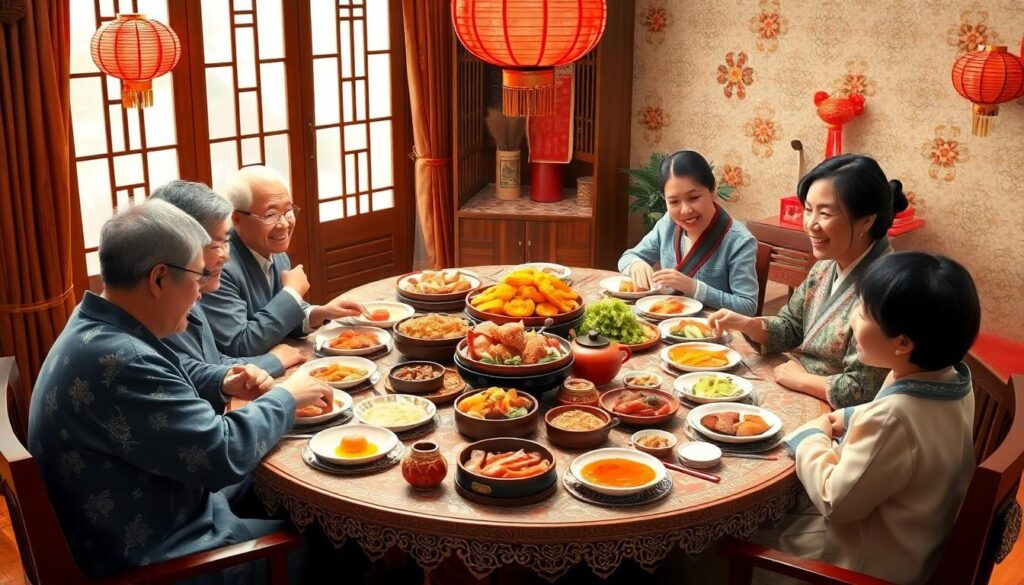
Chinese family traditions embody centuries of wisdom passed down through generations creating a rich tapestry of cultural practices that continue to shape modern society. From the moment a child is born these customs influence every aspect of daily life from meal etiquette to holiday celebrations and family hierarchies.
In today’s fast-paced world Chinese families still hold tight to their ancestral customs while adapting them to contemporary life. Whether it’s gathering for elaborate Lunar New Year feasts sharing mooncakes during the Mid-Autumn Festival or showing respect to elders through specific gestures these traditions remain at the heart of Chinese family values. The beautiful blend of ancient wisdom and modern practicality makes Chinese family traditions a fascinating subject that continues to inspire people worldwide.
The Significance of Family in Chinese Culture
Family forms the cornerstone of Chinese society, serving as a fundamental unit that shapes social relationships, personal identity and cultural continuity. Chinese families operate as interconnected networks that extend beyond the nuclear family to include multiple generations and extended relatives.
Traditional Family Structure and Hierarchy
Chinese family structure follows a patriarchal system with clearly defined roles for each member. The eldest male heads the household, making major decisions about family matters including finances, education and living arrangements. Grandparents occupy respected positions as advisors and caretakers, while parents focus on providing for the family’s material needs. Children receive specific responsibilities based on their birth order and gender.
| Family Member | Traditional Role | Key Responsibilities |
|---|---|---|
| Grandfather | Family Head | Decision Making, Guidance |
| Grandmother | Matriarch | Childcare, Home Management |
| Father | Provider | Income, Education Decisions |
| Mother | Caregiver | Daily Care, Household Tasks |
| Children | Subordinates | Studies, Family Support |
Filial Piety as a Core Value
- Regular visits to parents’ homes
- Financial support for medical care and daily expenses
- Consultation before making significant life changes
- Care during illness or old age
- Observance of death anniversaries and ancestral worship
- Living with or near parents to provide assistance
Chinese Family Rituals and Celebrations
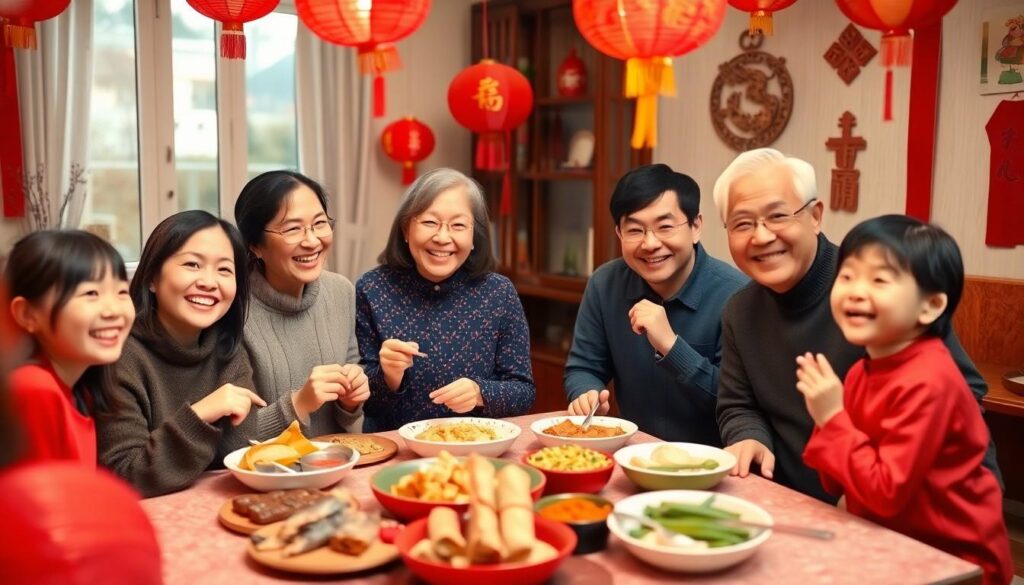
Chinese families maintain a rich tapestry of rituals celebrating life milestones significant cultural events throughout the year. These ceremonies strengthen family bonds foster cultural continuity across generations.
Lunar New Year Traditions
Lunar New Year marks the most significant celebration in Chinese culture with families gathering for a 15-day festival of traditions. Red envelopes (hongbao) containing money pass from elders to children symbolizing good fortune prosperity. Families conduct thorough house cleaning before the New Year to sweep away bad luck prepare for fresh beginnings. The reunion dinner (nian ye fan) features symbolic dishes: fish for abundance dumplings for wealth spring rolls for prosperity. Traditional decorations include red paper cutouts lanterns spring festival couplets (chunlian) adorning doorways to welcome good fortune.
Ancestor Worship Practices
Ancestor worship remains central to Chinese family life through ceremonies performed at homes temples during key festivals. Families maintain altars with ancestral tablets photographs offerings of food incense. The Qingming Festival (Tomb Sweeping Day) occurs each spring when families visit clean ancestral graves present offerings. During Ghost Festival families burn joss paper preparation symbolic meals place them on altars for departed relatives. Modern Chinese families adapt these practices incorporating photographs digital remembrances while maintaining core ritual elements honoring deceased family members.
Marriage and Wedding Customs
Chinese marriage customs blend ancient traditions with contemporary practices, creating ceremonies that honor cultural heritage while embracing modern values. These customs reflect the deep connection between families and the importance of maintaining social harmony.
Traditional Marriage Arrangements
Traditional Chinese marriages followed a structured matchmaking process guided by professional matchmakers who evaluated compatibility based on birth dates, family backgrounds and social status. Parents initiated marriage discussions through these intermediaries, exchanging both families’ birth details and horoscopes. The formal engagement process included the exchange of betrothal gifts like jewelry, textiles and food items between families. Match compatibility focused on balancing the five elements of Chinese astrology: metal, wood, water, fire and earth. Families consulted fortune tellers to select auspicious wedding dates that aligned with the Chinese calendar.
Modern Wedding Ceremonies
Modern Chinese weddings incorporate both traditional and contemporary elements. Couples wear Western-style white dresses and suits alongside traditional red qipao dresses and tang suits during different parts of the celebration. Tea ceremonies remain central, with newlyweds serving tea to their parents and elder relatives to receive blessings and red envelopes. Wedding banquets feature symbolic dishes like whole fish for abundance, noodles for longevity and sweet lotus seeds for fertility. Contemporary additions include multimedia presentations, champagne towers and wedding photography sessions in iconic locations. Many couples now choose their own partners while maintaining key cultural practices like family approval and traditional wedding colors.
Family Roles and Relationships
Chinese family roles follow a hierarchical structure based on age gender marital status that shapes interactions between family members. These relationships create a complex network of obligations responsibilities privileges within the family unit.
Parent-Child Dynamics
Parent-child relationships in Chinese families emphasize filial piety respect authority. Children demonstrate devotion through academic achievement financial support care for aging parents. Parents invest significantly in their children’s education future success while maintaining strict discipline high expectations. Sons traditionally carry greater responsibility for supporting elderly parents continuing the family lineage. Daughters focus on domestic duties until marriage when their primary loyalty transfers to their husband’s family. Modern Chinese families maintain these core values while adapting to contemporary circumstances such as dual-income households single-child policies urban migration.
Extended Family Bonds
Extended family connections form vital support networks in Chinese culture. Grandparents often live with their adult children providing childcare household assistance. Aunts uncles cousins maintain close relationships through regular gatherings shared responsibilities during festivals celebrations. Family elders serve as mediators during conflicts advisors for important decisions guardians of traditional practices. Regular family reunions strengthen these bonds particularly during major holidays like Lunar New Year Mid-Autumn Festival. Extended family members collaborate on business ventures share resources provide emotional social support during challenging times.
Passing Down Cultural Heritage
Chinese families preserve their cultural heritage through systematic transmission of knowledge from one generation to the next. This legacy encompasses language skills, traditional values, customs, and historical wisdom.
Language and Education
Chinese parents emphasize language acquisition as a fundamental aspect of cultural identity. Children learn Mandarin or regional dialects through daily conversations, storytelling sessions, and traditional nursery rhymes. Many families enroll their children in Chinese language schools on weekends to master reading and writing characters. Cultural education extends beyond language to include calligraphy, traditional art forms, and literature appreciation. Parents often organize cultural activities like poetry recitation competitions or traditional instrument lessons to reinforce language skills.
Teaching Traditional Values
Chinese families integrate traditional values into everyday activities through practical demonstrations and guided experiences. Parents teach children about respect by modeling proper greetings to elders and explaining the significance of specific gestures. Festivals serve as educational opportunities where families discuss the meaning behind customs like offering incense during ancestor worship or preparing specific dishes. Grandparents share stories about family history during gatherings, connecting younger generations to their ancestral roots. Traditional values encompass concepts like harmony (和), benevolence (仁), and righteousness (义), taught through daily interactions and decision-making processes.
Modern Challenges to Chinese Family Traditions
Chinese family traditions face significant transformation in the 21st century as rapid modernization reshapes social structures and cultural practices.
Impact of Urbanization
Urbanization fundamentally alters traditional Chinese family dynamics through mass migration to cities. Young professionals relocate to urban centers for career opportunities, creating physical distance from their extended families. Multi-generational households decrease as apartment living becomes the norm, with 65% of Chinese families now living in urban areas. Cities’ fast-paced lifestyle reduces time for traditional family gatherings and rituals. Modern transportation networks enable more frequent visits home during festivals, though digital communication platforms increasingly replace face-to-face interactions. Economic pressures in cities lead to delayed marriages and fewer children, affecting ancestral lineage practices.
Balancing Tradition with Contemporary Life
Modern Chinese families adapt ancestral customs to fit urban lifestyles while preserving core cultural values. Working parents maintain virtual connections with grandparents through daily video calls. Traditional festivals incorporate modern elements, such as digital red envelopes during Lunar New Year. Family meals blend convenience with tradition as food delivery services offer traditional dishes. Young couples balance filial obligations with personal aspirations by scheduling regular family visits around work commitments. Technology platforms facilitate family group chats for sharing updates and organizing gatherings. Cross-cultural marriages introduce new perspectives while maintaining essential Chinese customs like tea ceremonies.
Conclusion
Chinese family traditions stand as a testament to the enduring power of cultural heritage in modern society. While urbanization and global influences continue to reshape family dynamics these age-old customs prove remarkably adaptable. Through festivals celebrations and daily practices Chinese families maintain their cultural identity while embracing contemporary life.
The delicate balance between tradition and modernity ensures that essential values like filial piety respect for elders and family unity remain strong. As Chinese families navigate the challenges of the 21st century they’re creating innovative ways to preserve their rich cultural legacy for future generations.


